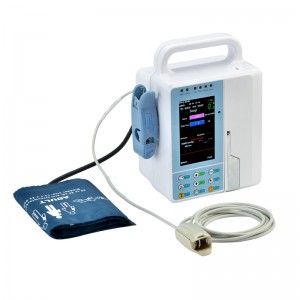
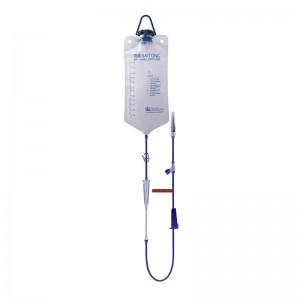
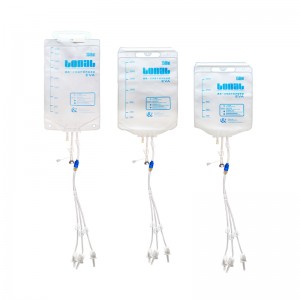
Disposable extension tube-Vet

Why do we use?
Achieve long-distance infusion to reduce stress and traction on affected pets
By connecting extension tubes, healthcare professionals can position the nutrition pump outside the cage or at a slightly distal location, thereby avoiding direct contact or shaking of the cannulation site on the pet during procedure.
This effectively prevents tube traction and dislodgement caused by excessive operational amplitude, thereby reducing irritation to the affected pet.
Provide operational buffer space for fixation and posture adjustment
The flexibility of the extension tube provides a buffer for operation. When the pet rises, turns, or lies down within the cage, the extension tube can absorb the displacement caused by these movements, preventing displacement of the internal end of the tubing due to external forces.
Simultaneously, it allows the infusion pump or nutrition bag to be secured to the cage door or infusion stand, facilitating limited free movement for the pet.
Perform precise and continuous enteral feeding in conjunction with a pump
For cases requiring strict control of infusion rate (such as continuous infusion or intermittent gravity infusion), the extension tube serves as the standard pathway connecting the nutrient solution to the infusion pump (or flow regulator).
It ensures that the nutrient solution enters the digestive tract at a stable and constant rate, preventing vomiting or diarrhea caused by rapid infusion.
Reduce the risk of cross-contamination and comply with aseptic operation requirements
As a disposable sterile consumable, the extension tube is replaced after each infusion to effectively isolate the nutrient solution source from the catheter inserted into the affected pet's body.
Compared to repeated use of the same interface for connection, the use of disposable extension tubes significantly reduces the risk of nutrient solution reflux, bacterial colonization, and catheter-associated infections.
Convenient for drug administration and pipeline maintenance
The extension tube is typically equipped with an independent drug delivery port (Y-type connector or rubber cap).
Without interrupting the nutritional infusion, drugs can be conveniently administered via the side branch of the extension tube or pulse flushing can be performed, simplifying the operational procedures for nursing staff.